REVOLUTIONARY RPCS3 BREAKTHROUGH UNLOCKS MASSIVE PERFORMANCE GAINS FOR ALL PS3 GAMES! CELL CPU EMULATION MILESTONE BENEFITS EVERY CPU CONFIGURATION!
The team behind RPCS3, the open-source PlayStation 3 emulator, has announced what they're calling a breakthrough in emulating the PS3's notoriously complex Cell Broadband Engine processor. This development promises to improve performance across the emulator's entire game library, benefiting users regardless of their CPU specifications. The implications for game preservation and accessibility are significant.
The PlayStation 3's Cell processor was one of the most ambitious and challenging pieces of hardware ever created for a gaming console. It combined a PowerPC-based Power Processing Element (PPE) with up to seven Synergistic Processing Elements (SPEs), each a 128-bit SIMD coprocessor with its own local storage. This architecture was notoriously difficult to program for, and it presents equally significant challenges for emulation.
RPCS3 emulates SPE workloads by recompiling the original Cell instructions into native x86 code using LLVM and ASMJIT backends. The quality of this translation determines how efficiently the host CPU can execute the emulated code. The breakthrough discovered by lead developer Elad involves recognizing previously unidentified SPE usage patterns and writing new code paths that generate more efficient native PC output.
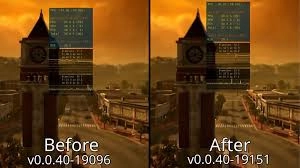
The performance improvements are tangible and measurable. Twisted Metal, one of the most SPE-intensive titles in the PS3 library, shows an average FPS improvement of 5% to 7% between versions v0.0.40-19096 and v0.0.40-19151. While these numbers might seem modest, they represent significant progress in an area where gains are increasingly difficult to achieve. More importantly, the improvements benefit all games, not just specific titles.
What makes this breakthrough particularly noteworthy is its universal benefit. As the developers note, "All CPUs can benefit from this, from low-end to high-end!" This democratization of performance improvements means that users with modest hardware can expect better performance alongside those with cutting-edge systems. This aligns with RPCS3's mission of making PS3 games accessible to as many players as possible.
SPU emulation has long been the biggest CPU bottleneck in RPCS3. While the PS3 could run up to six SPEs simultaneously for gaming workloads, each must be recompiled and executed on a host CPU thread. The efficiency improvements in this area directly address one of the most challenging aspects of PS3 emulation.
The significance of this development extends beyond technical achievement. PS3 emulation plays a crucial role in game preservation, allowing players to experience titles that might otherwise be lost to hardware obsolescence. As original PS3 hardware ages and becomes less reliable, software emulation becomes increasingly important for maintaining access to the console's extensive library.
The RPCS3 team's ongoing work demonstrates the dedication of the emulation community to preserving gaming history. Their efforts ensure that the PS3's unique library of games remains accessible to future generations of players, regardless of the availability of original hardware. This latest breakthrough represents another step forward in that important mission.