OIL PRICES COLLAPSE BELOW $100 AS IRAN AGREES TO SAFE PASSAGE THROUGH STRAIT OF HORMUZ! GLOBAL MARKETS SURGE ON CEASEFIRE BREAKTHROUGH!
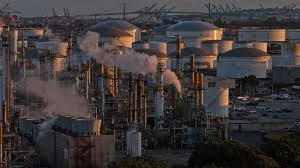
In a dramatic development that has sent shockwaves through global energy markets, oil prices have plunged below the psychologically significant $100 per barrel mark following Iran's agreement to allow safe passage through the strategically vital Strait of Hormuz. The breakthrough comes as part of a broader ceasefire arrangement that has eased tensions in one of the world's most critical shipping lanes.
The Strait of Hormuz, a narrow waterway between the Persian Gulf and the Gulf of Oman, represents one of the most important chokepoints in global oil transportation. Approximately 20% of the world's petroleum passes through this strait, making its accessibility crucial for global energy supplies and prices. Any threat to passage through this waterway immediately impacts oil markets and the broader global economy.
The agreement follows intensive diplomatic efforts and a two-week suspension of attacks announced by President Donald Trump in exchange for Tehran's cooperation in maintaining open passage through the strait. This diplomatic breakthrough represents a significant de-escalation in tensions that had threatened to disrupt global oil supplies and send prices skyrocketing.
U.S. West Texas Intermediate crude futures experienced their most significant single-day decline in months, reflecting the market's relief at the reduced risk of supply disruption. Brent crude, the international benchmark, similarly retreated from recent highs as traders adjusted their positions based on the improved outlook for global oil supplies.
The implications of this development extend far beyond oil markets. Lower energy prices provide relief to consumers and businesses struggling with inflation, potentially easing pressure on central banks to maintain aggressive interest rate policies. Transportation costs, manufacturing expenses, and consumer prices across numerous sectors are influenced by oil prices, making this decline broadly beneficial for the global economy.
However, analysts caution that the situation remains fluid. While the current agreement represents progress, the underlying tensions that created the crisis have not been fully resolved. Markets will be watching closely for any signs that the ceasefire might break down or that new complications could arise. The volatility that has characterized oil markets in recent months may not be entirely behind us.
For consumers, the immediate impact will likely be seen at gas pumps in the coming days and weeks as lower crude prices work their way through the supply chain. This provides welcome relief to household budgets that have been strained by elevated energy costs. Businesses that rely heavily on transportation or energy-intensive processes will also benefit from reduced operating costs.
The diplomatic success in securing safe passage through the Strait of Hormuz demonstrates the importance of international cooperation in maintaining global economic stability. As the world continues to navigate complex geopolitical challenges, the ability to find negotiated solutions to potential crises becomes increasingly valuable. This breakthrough may serve as a model for addressing other international disputes that threaten global commerce and security.