WALL STREET RALLIES AS IRAN DEADLINE EXTENSION SPARKS MARKET OPTIMISM! S&P 500 AND NASDAQ CLOSE HIGHER AMID GEOPOLITICAL BREAKTHROUGH!
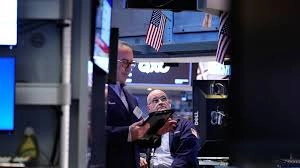
U.S. stocks staged a impressive recovery late Tuesday, with the S&P 500 and Nasdaq closing slightly higher as investors responded positively to signs of progress in the Iran deadline negotiations. The market's resilience in the face of geopolitical uncertainty demonstrates the complex interplay between international events and financial markets.
The recovery came after President Trump escalated his rhetoric regarding potential attacks on Iran ahead of a rapidly approaching deadline for Tehran to reopen the Strait of Hormuz or face destruction of key infrastructure. While such threats would typically send markets lower, investors appeared to interpret the situation as a negotiating tactic rather than an imminent military escalation.
The S&P 500's ability to close higher despite the tense geopolitical situation reflects underlying strength in the U.S. economy and corporate earnings. Investors have been weighing various risks throughout the year, including inflation concerns, interest rate uncertainty, and geopolitical tensions, yet markets have generally maintained an upward trajectory. This resilience suggests that fundamental economic factors continue to drive market performance.
The Nasdaq's performance was particularly notable, as technology stocks have been especially sensitive to interest rate expectations and global economic conditions. The index's ability to finish in positive territory indicates that investors remain optimistic about the technology sector's long-term prospects despite short-term uncertainties.
Market analysts noted that the deadline extension provided a window for diplomatic solutions that could ease tensions without military confrontation. This interpretation allowed investors to focus on positive economic data and corporate earnings reports rather than geopolitical risks. The market's ability to distinguish between negotiating tactics and genuine threats demonstrates sophisticated risk assessment by institutional investors.
The bond market also showed signs of stabilization, with Treasury yields reflecting reduced demand for safe-haven assets. This suggests that fixed-income investors share the equity market's assessment that the geopolitical situation may be improving. The coordination between equity and bond market signals provides additional confidence in the market's interpretation of events.
Looking ahead, market participants will continue monitoring developments in the Middle East while also focusing on domestic economic indicators. Upcoming inflation reports, Federal Reserve commentary, and corporate earnings announcements will all influence market direction in the coming weeks. The ability of markets to maintain their composure during periods of uncertainty bodes well for continued stability.
For individual investors, the market's response to the Iran situation offers important lessons about the relationship between geopolitical events and investment performance. While such events can create short-term volatility, markets have historically demonstrated resilience when fundamental economic conditions remain strong. Maintaining a long-term perspective and avoiding emotional reactions to headlines often proves to be the most successful investment strategy.