EXCLUSIVE LAFAYETTE STAKES INSIDER! TROUBLE CALLING'S VICTORY THROUGH THE EYES OF JOCKEYS, TRAINERS, AND CONNECTIONS!
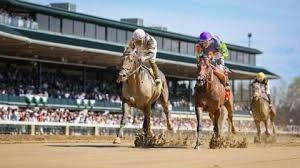
The aftermath of Trouble Calling's dramatic victory in the Lafayette Stakes at Keeneland provided fascinating insights into the race from the perspectives of those closest to the action. From the winning trainer's relief to the jockey's tactical analysis, these behind-the-scenes perspectives reveal the complexity and emotion that define thoroughbred racing at its highest levels.
Greg Foley, the winning trainer, couldn't hide his satisfaction with Trouble Calling's performance. "He's always been nice from day one, training and stuff. We've always liked him," Foley shared in the post-race interview. "It took him two or three races. He was a little slow to figure things out." This patience in developing a talented but green colt exemplifies the challenges trainers face in bringing young horses along at the right pace.
Foley was particularly surprised by the odds, noting, "In the Paddock, I couldn't believe the price, 7-1; ended up going a little shorter than that (9-2). This is a really good horse." The betting public's underestimation of Trouble Calling created value for those who recognized his potential, but also reflected the competitive nature of the Lafayette field.
The significance of the victory extended beyond the race itself. Foley addressed the importance of Trouble Calling's dam, Into Trouble, to owner/breeder Donamire Farm: "I wish I owned it. (Into Trouble is) three out of three, with a Grade 1 winner (Troubleshooting, entered here in the Maker's Mark Mile-G1 on April 10 and stakes winner Big Trouble) and now another stakes winner. She has three of three stakes horses, a Grade 1 winner and hopefully this horse (Trouble Calling) will get one. This is a very, good colt."
Jockey Luis Saez provided insight into the race's tactical execution. His concern about the early timing was evident: "I was a little worried (since the race was early). He's always been a horse that had a lot of speed, so we thought we were going to be there pretty close, but the track wasn't playing his best." The decision to rate rather than rush proved crucial to the eventual victory.
Saez's description of the winning move painted a vivid picture: "It was a little deep, so it took a little while for him to get going, but when he saw (he was) clear at the three-eighths (pole), he started moving forward and finished very strong." This moment of clarity, when horse and rider found their rhythm, transformed a seemingly hopeless position into a winning rally.
The connections of runner-up Oscar's Hope, trained by Kinnon LaRose in his first Keeneland starter, showed grace in defeat despite the narrow margin. The competitive nature of the race, with multiple horses in contention until the final strides, demonstrated the quality of the Lafayette field and the excitement that makes Keeneland's spring meet a highlight of the racing calendar.
These insider perspectives remind us that horse racing is more than just numbers and results. Behind every race are stories of patience, strategy, hope, and the deep bonds between horses and the people who care for them. Trouble Calling's Lafayette victory will be remembered not just for the result, but for the journey that led to that moment and the promising future that lies ahead.