CRIMSON DESERT PATCH SPARKS DEBATE! GAME-CHANGING UPDATE RAISES QUESTIONS ABOUT BALANCE AND DESIGN PHILOSOPHY!
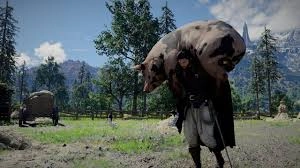
The latest patch for Crimson Desert has ignited intense discussion within the player community, with changes that some describe as game-changing while others question whether the adjustments represent an improvement or a step backward. This debate highlights the challenges developers face in balancing complex open-world games and the passionate engagement of the player community.
The patch introduces significant changes to combat mechanics, enemy difficulty, and progression systems. These adjustments address community feedback about various aspects of the game, but the implementation has proven controversial. Some players celebrate the changes as improvements that enhance the experience, while others argue that the patch undermines what made the game special.
Combat system changes are at the center of the debate. The patch adjusts timing windows for parries and dodges, modifies enemy attack patterns, and rebalances damage values across weapons. For players who mastered the original combat system, these changes can feel like their skills have been devalued. New players, however, may find the adjusted combat more accessible and enjoyable.
Enemy difficulty adjustments have similarly divided opinion. Some players appreciate the more balanced challenge, arguing that certain encounters were unfairly difficult in the original release. Others contend that the difficulty was intentional and that the patch removes the tension and accomplishment that defined the experience. This fundamental disagreement about what constitutes good game design reflects broader debates in the gaming community.
Progression system changes affect how players develop their characters and acquire new abilities. The rebalancing aims to create more meaningful choices and prevent dominant strategies from overshadowing alternative approaches. However, players who invested time developing characters based on the original systems may feel that their efforts have been diminished.
The patch also introduces new content, including additional quests, items, and quality-of-life improvements. These additions have been generally well-received, demonstrating that the developers are committed to expanding and improving the game. The challenge lies in balancing new content with adjustments to existing systems.
The debate extends beyond specific changes to questions about the relationship between developers and players. Some argue that developers should trust their original vision and resist pressure to change based on player feedback. Others believe that responsive development, including willingness to make significant changes, leads to better games over time.
For players currently experiencing Crimson Desert, the patch creates a decision point. Should you update and experience the changed version, or remain on the original release if that option is available? The answer depends on individual preferences and what aspects of the game you value most.
The controversy surrounding this patch demonstrates the passionate engagement of the Crimson Desert community. Players care deeply about the game and have strong opinions about how it should evolve. This investment is ultimately positive for the game's long-term health, even when it leads to heated debates about specific changes.
As the discussion continues, the developers will likely monitor feedback and may make further adjustments based on player responses. The ongoing dialogue between creators and community shapes the game's future, for better or worse. What remains clear is that Crimson Desert has captured players' attention and investment in ways that few games manage to achieve.