TUNG TUNG TUNG SAHUR COMING TO FORTNITE CROSSES THE LINE! COMMUNITY QUESTIONS THE LIMITS OF ABSURDITY!
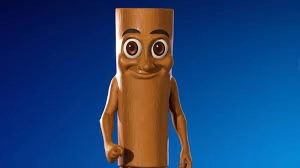
The announcement that Tung Tung Tung Sahur is coming to Fortnite has pushed the ongoing debate about the game's creative direction to new heights, with many players questioning whether the latest addition crosses a line into absurdity that undermines the game's identity. The controversy represents the most intense chapter yet in the community's struggle with Fortnite's evolving aesthetic philosophy.
Tung Tung Tung Sahur, a character whose very name suggests the kind of meme-focused design that critics have been complaining about, embodies everything that the "anti-brainrot" faction fears about Fortnite's direction. The character appears to prioritize viral potential and internet culture references over any coherent connection to the game's world or themes.
The announcement has generated intense discussion across social media platforms, with players expressing everything from excitement to genuine disappointment. The division in the community has rarely been more pronounced, with the debate extending beyond this specific character to fundamental questions about what Fortnite should be.
Critics argue that characters like Tung Tung Tung Sahur represent a departure from what made Fortnite special. The game succeeded by combining accessible gameplay with a distinctive style that balanced seriousness and silliness. Recent additions, they contend, have tipped this balance too far toward the absurd, creating a game that feels more like a meme collection than a cohesive experience.
Supporters counter that Fortnite's willingness to embrace the ridiculous is precisely what keeps the game fresh and culturally relevant. In an entertainment landscape saturated with serious, self-important games, Fortnite's playful absurdity offers a refreshing alternative. Tung Tung Tung Sahur, in their view, represents the game's commitment to fun over pretension.
The controversy raises questions about the limits of creative expression in mainstream gaming. Is there a point where absurdity becomes alienating? Should games maintain thematic consistency, or is variety inherently valuable? These questions have no objective answers, but the intensity of the community debate demonstrates how much players care about the answers.
For Epic Games, the challenge is managing a community that has fundamentally different visions for the game's future. Satisfying both those who want more serious content and those who embrace the absurdity may be impossible. The company must decide which direction best serves the game's long-term health and cultural relevance.
The economic dimension cannot be ignored. Controversial characters generate enormous engagement and discussion, which often translates to sales and player activity. Even negative attention keeps Fortnite in the cultural conversation, potentially attracting new players curious about what all the fuss is about. This dynamic creates perverse incentives that may not align with artistic integrity.
As Tung Tung Tung Sahur's release approaches, the community remains divided. Some players will embrace the character with enthusiasm, while others will view it as further evidence that Fortnite has lost its way. The ongoing debate reflects the passion and investment that players have in a game that has been a central part of gaming culture for years.
The outcome of this controversy may influence Fortnite's direction going forward. If the character succeeds commercially despite the criticism, Epic may continue down the current path. If the backlash affects engagement or sales, the company might reconsider its approach to character design. What's certain is that the conversation about Fortnite's identity will continue as long as the game remains a cultural phenomenon.